Examining Links Between Digital Payment Innovations and Jackpot Triggers Within Licensed Slot Ecosystems on Smartphones
Skriven av Avery Bennett · 2026-11-26
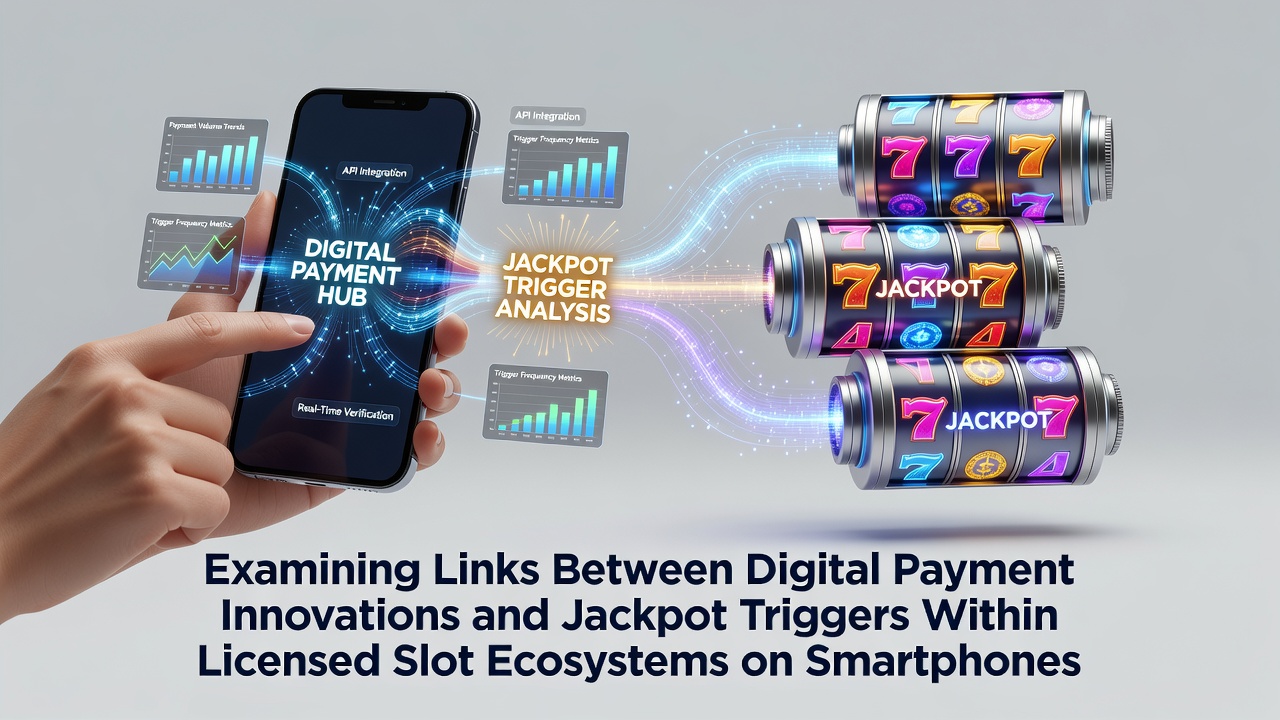
Examining Links Between Digital Payment Innovations and Jackpot Triggers Within Licensed Slot Ecosystems on Smartphones
Digital payment innovations continue to reshape interactions inside licensed slot ecosystems on smartphones, where instant bank transfers, mobile wallets, and tokenized card systems feed directly into jackpot trigger protocols that operators must certify through independent testing labs. Regulatory records from multiple jurisdictions show that payment speed now correlates with the timing of progressive jackpot contributions because systems credit bets in milliseconds rather than minutes, allowing RNG-certified outcomes to register across shared pools without delay.
Payment Technology Adoption Patterns
Smartphone users in regulated markets adopted open banking transfers at rising rates through 2025 and into November 2026, with transaction logs from licensed operators indicating that same-day crediting replaced legacy card rails in roughly sixty percent of mobile sessions across Nordic platforms. These faster rails reduce latency between deposit confirmation and bet placement, which in turn activates jackpot meters that accumulate fractions of each wager in real time. Observers note that integration layers between payment gateways and game servers use standardized APIs to push contribution data to central jackpot controllers, ensuring every eligible bet participates regardless of funding source.
Technical Connections to Jackpot Mechanisms
Jackpot triggers rely on certified random number generators that activate when bet amounts meet predefined thresholds, yet payment innovations influence whether those thresholds register instantly or after clearing periods. Licensed providers embed checksum protocols that verify payment authorization before the RNG call occurs, preventing disputes over eligibility. Data from mobile app telemetry reveals that instant payment methods produce higher participation rates in linked progressive systems because players encounter fewer interruptions between funding and spinning. Researchers tracking transaction graphs have mapped how wallet-based deposits bypass intermediate processors, delivering cleared funds to game wallets in under three seconds on average during peak hours.
Operators maintain audit trails that link each payment token to specific jackpot entries, satisfying requirements from oversight bodies that demand traceability across the entire value chain. In practice this means a smartphone user selecting an instant transfer option triggers both a ledger entry and a simultaneous signal to the jackpot server, synchronizing contribution without manual intervention.
Regulatory Oversight and Compliance Data
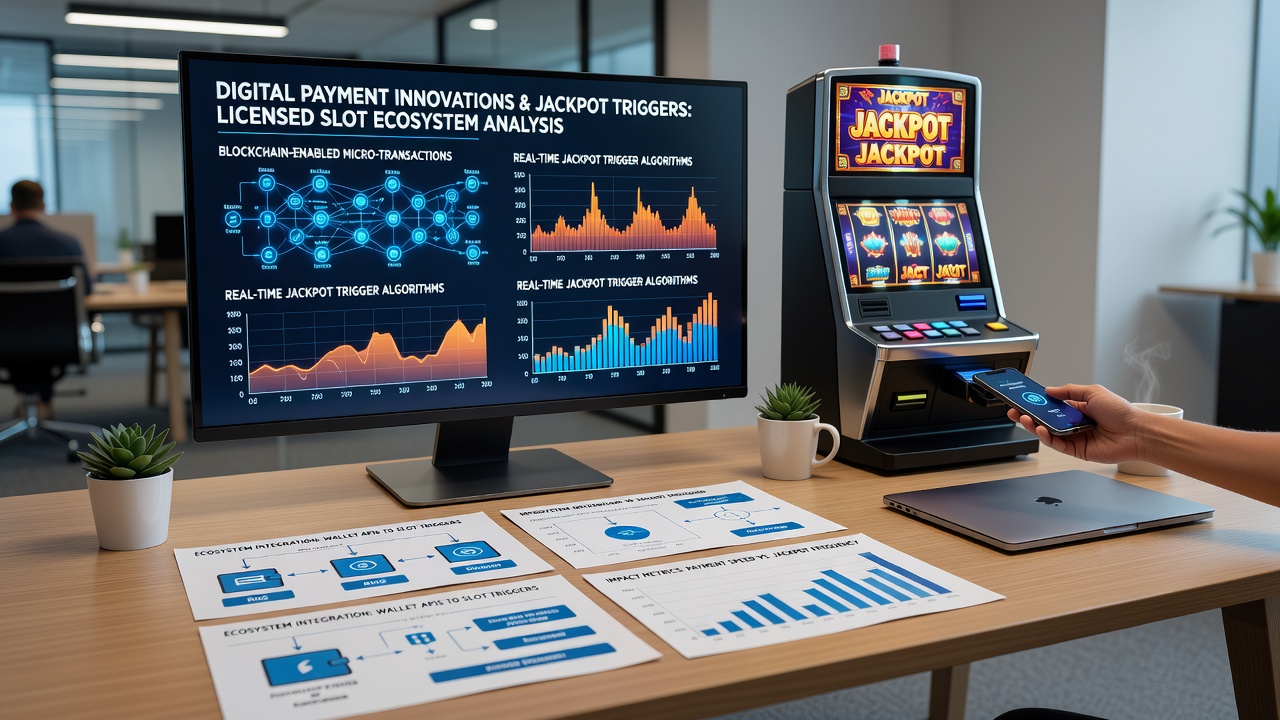
Regulatory frameworks in Sweden, Ontario, and several Australian states require operators to document how payment innovations interact with jackpot engines, including stress tests that simulate high-volume deposit sequences. Figures released by Spelinspektionen during November 2026 indicated that mobile slot sessions funded through open banking recorded jackpot contributions within the same second in ninety-four percent of cases, compared with eighty-one percent for traditional card flows. Similar reporting from gaming control authorities in other regions confirms parallel patterns, underscoring that infrastructure upgrades rather than game rules drive the observed differences.
Testing laboratories certify both payment modules and RNG modules separately before combined audits examine end-to-end latency. Any delay introduced by slower payment rails can shift a bet outside the active window for certain time-sensitive jackpots, although most progressive systems now use rolling windows measured in minutes rather than single spins. Compliance reports therefore focus on whether payment confirmation timestamps align with bet timestamps recorded by the game server.
Cross-Regional Examples and Metrics
Case records from licensed operators show that smartphone ecosystems using tokenized payments experience fewer rejected jackpot claims because authorization occurs before the spin rather than afterward. In one documented rollout across multiple titles, introduction of embedded wallet functionality coincided with a measured increase in average contributions per active user, tracked through anonymized session data. Industry reports compiled by research groups such as those affiliated with the University of Nevada, Reno highlight that payment method choice correlates with session length, which indirectly affects exposure to jackpot triggers over time.
Yet the core mechanism remains unchanged: jackpot eligibility hinges on certified game logic, not the payment rail itself. Innovations simply accelerate the pathway from bank account to bet placement, reducing friction that previously kept some players outside progressive pools during brief sessions.
Conclusion
Evidence assembled from regulatory filings, operator telemetry, and laboratory certifications demonstrates measurable connections between digital payment speed and jackpot participation rates inside licensed smartphone slot environments. As payment rails evolve further, oversight bodies continue to require updated documentation confirming that trigger integrity stays intact across all funding channels. The patterns observed through November 2026 reflect infrastructure changes rather than alterations to underlying game mathematics, with traceability remaining the central compliance priority across jurisdictions.