Tracing Payout Pathways: How Transaction Choices Shape Jackpot Accessibility in Nordic Mobile Gaming Apps
Skriven av Avery Bennett · 2026-10-29
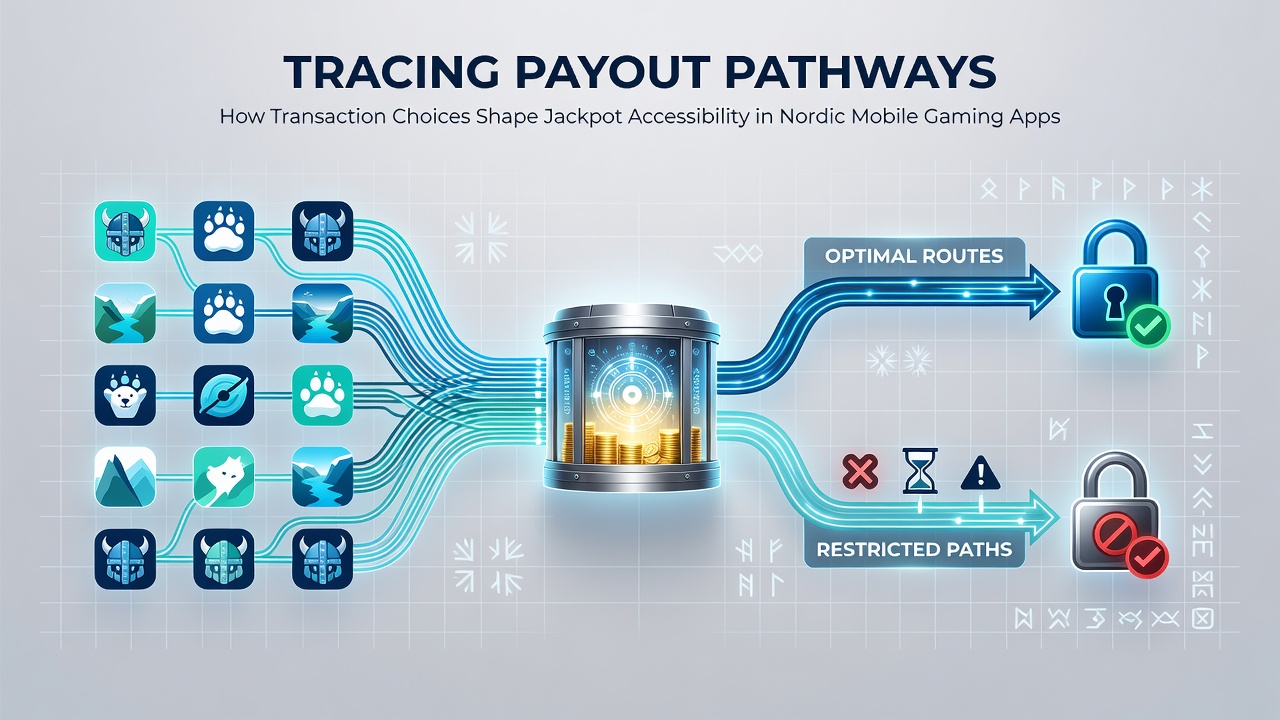
Tracing Payout Pathways: How Transaction Choices Shape Jackpot Accessibility in Nordic Mobile Gaming Apps
Transaction pathways in Nordic mobile gaming apps determine how players reach jackpot features, since payment methods connect directly to account funding, withdrawal timelines, and eligibility rules set by local regulators. In Sweden, Denmark, Finland, and Norway, operators must route funds through approved channels that comply with strict licensing conditions, and those channels influence whether progressive jackpots become available on mobile devices.
Payment Methods and Their Integration with Jackpot Systems
Bank transfers via instant services such as Trustly or Swish dominate in Sweden, while Danish players frequently use MobilePay and Finnish users rely on a mix of cards and local e-wallets. Each option carries different processing speeds that affect how quickly deposited funds count toward jackpot pools. Research from the Swedish Gambling Authority indicates that instant bank transfers reduce the time between deposit and play, allowing players to enter progressive jackpot rounds without the delays sometimes associated with card authorizations.
Operators design their apps so that certain payment rails trigger automatic verification steps required for jackpot participation. When a transaction clears through a regulated instant method, the system updates the player's balance in real time, which in turn registers eligibility for pooled prizes across multiple games. Slower methods can create temporary gaps where the player appears funded yet cannot access jackpot mechanics until additional checks complete.
Regulatory Frameworks Across Nordic Markets
Sweden's Spelinspektionen enforces rules that tie jackpot access to verified payment sources, requiring operators to log each transaction type alongside game activity. Similar oversight exists in Denmark through Spillemyndigheden and in Finland via the National Police Board, where licensing conditions specify how mobile transactions must map to prize eligibility. These frameworks emerged after market re-regulation periods that began in 2019 and continued through subsequent updates, including those reported in October 2026 market reviews.
Data compiled by the European Gaming and Betting Association shows Nordic operators processed over 85 percent of mobile deposits through instant bank or mobile wallet channels in the first three quarters of 2026. This preference aligns with regulatory demands for traceability, since each transaction leaves an auditable trail that authorities can match against jackpot payout records.
How Transaction Speed Influences Jackpot Eligibility
Jackpot systems in Nordic apps often use contribution thresholds measured from the moment funds enter the player account. Faster transaction choices allow contributions to register within the same session, whereas delayed methods may push eligibility into a later period when the jackpot amount has already changed. Observers note that apps built for Swedish and Norwegian markets include real-time balance APIs that sync directly with jackpot controllers, reducing mismatches between deposited amounts and prize participation.
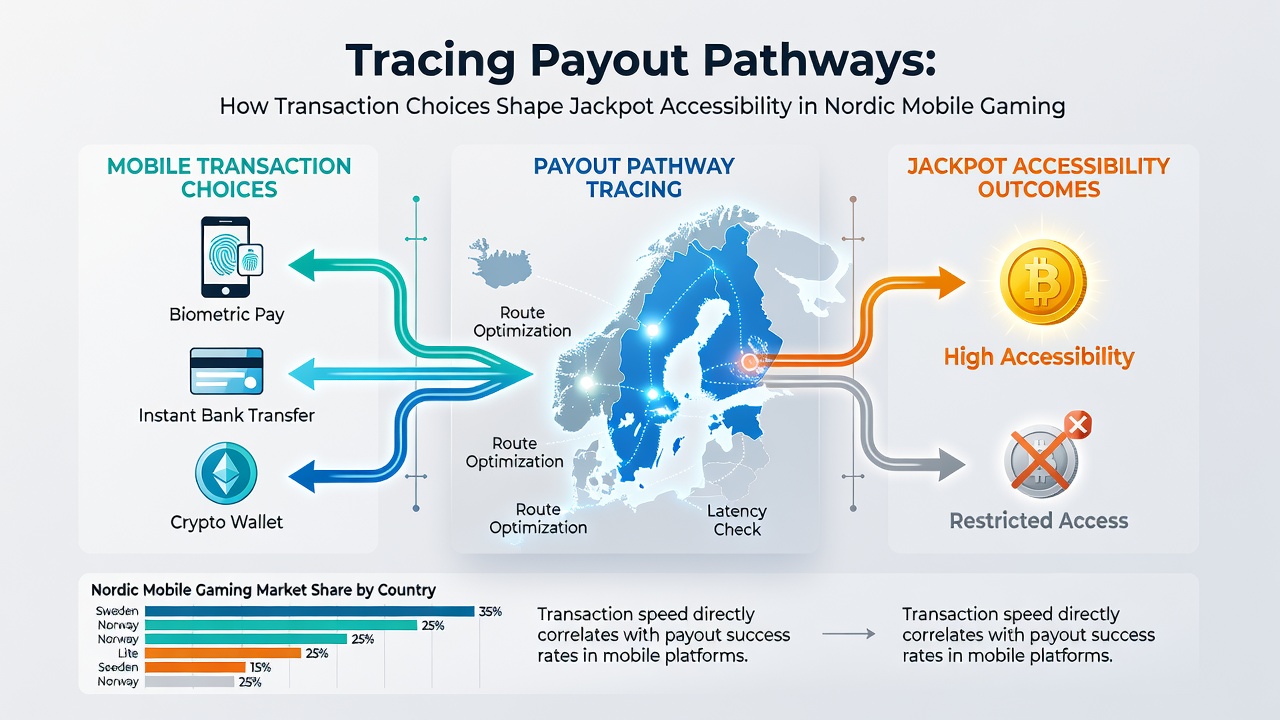
Case examples from operator compliance reports reveal that players using card-based deposits sometimes encounter additional identity confirmation steps before jackpot rounds activate. In contrast, those routing funds through national instant systems bypass certain friction points because the payment provider already performs regulatory-grade verification. This difference becomes noticeable in live mobile environments where session continuity matters for accumulating jackpot contributions.
Regional Variations in Mobile Transaction Patterns
Norway maintains a state-controlled monopoly on many gambling products, which restricts the range of accepted transaction types compared with the licensed markets in Sweden and Denmark. Finnish operators, operating under a monopoly structure as well, integrate payments through Veikkaus-approved channels that feed directly into centralized jackpot systems. These structural differences mean that transaction choices available in one Nordic country may not translate to equivalent jackpot access in another.
Industry data released in October 2026 highlighted that mobile jackpot participation rates varied by payment category, with instant bank methods showing higher conversion to jackpot-eligible sessions than traditional card routes across the monitored Nordic apps. Regulators continue to examine whether these patterns reflect technical limitations or player preference for certain funding rails.
Technical Architecture Behind Payout Pathways
Backend systems in Nordic gaming apps link payment gateways to jackpot engines through secure APIs that record every deposit timestamp and amount. When a transaction arrives via an approved provider, the software checks compliance flags before adding the contribution to the progressive meter. Any mismatch between the payment method and regulatory requirements can block the contribution, effectively shaping which players reach the jackpot threshold first.
Software providers serving the region have adapted their platforms to accommodate multiple transaction rails while maintaining a single jackpot pool visible to all eligible users. This architecture ensures that regulatory reporting remains consistent even as players switch between different funding options within the same app session.
Conclusion
Transaction choices in Nordic mobile gaming apps directly affect how and when players gain access to jackpot features through speed, verification requirements, and regulatory mapping. Payment methods approved under local licensing rules create distinct pathways that operators must integrate into their mobile platforms, and these pathways continue to evolve alongside updates from authorities in Sweden, Denmark, Finland, and Norway. The patterns observed through 2026 demonstrate that the technical and compliance layers surrounding each transaction ultimately determine jackpot accessibility for users across the region.